English
 Español
 عربى
عربى हिंदी
हिंदी
नायलॉन 6 एसीवाई यार्न: विशिष्टताएं, अनुप्रयोग और आपूर्तिकर्ता चयन गाइड
Content
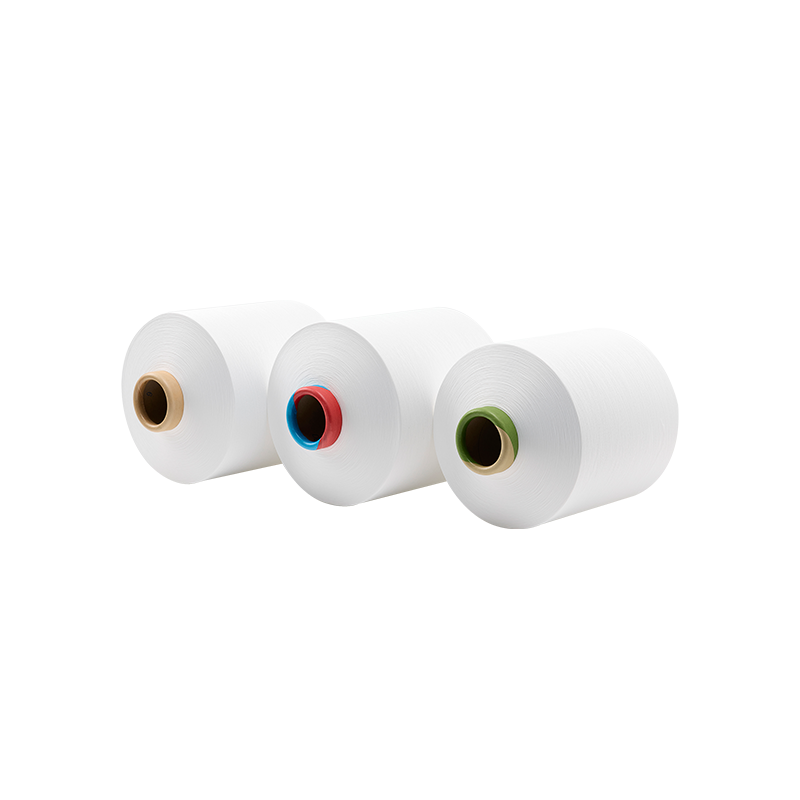
खिंचाव वाले कपड़े सूत के स्तर पर विफल या सफल होते हैं। यदि इलास्टिक कोर एक दर्जन बार धोने के बाद तनाव खो देता है, या घर्षण के तहत बाहरी फिलामेंट गोलियां खो देता है, तो कोई भी परिष्करण उपचार अंतिम उत्पाद को नहीं बचाएगा। यही कारण है कि एक्टिववियर, सीमलेस होजरी और परफॉर्मेंस अंडरवियर पर काम करने वाले फैब्रिक डेवलपर्स वापस आते रहते हैं नायलॉन 6 ACY यार्न - लगातार लोच और चिकनी हाथ महसूस के लिए बनाया गया हवा से ढका हुआ यार्न . यह समझना कि यह क्या है और इसे सही तरीके से कैसे निर्दिष्ट किया जाए, आपको महंगी सोर्सिंग गलतियों से बचाएगा।
नायलॉन 6 एयर कवर्ड यार्न क्या है?
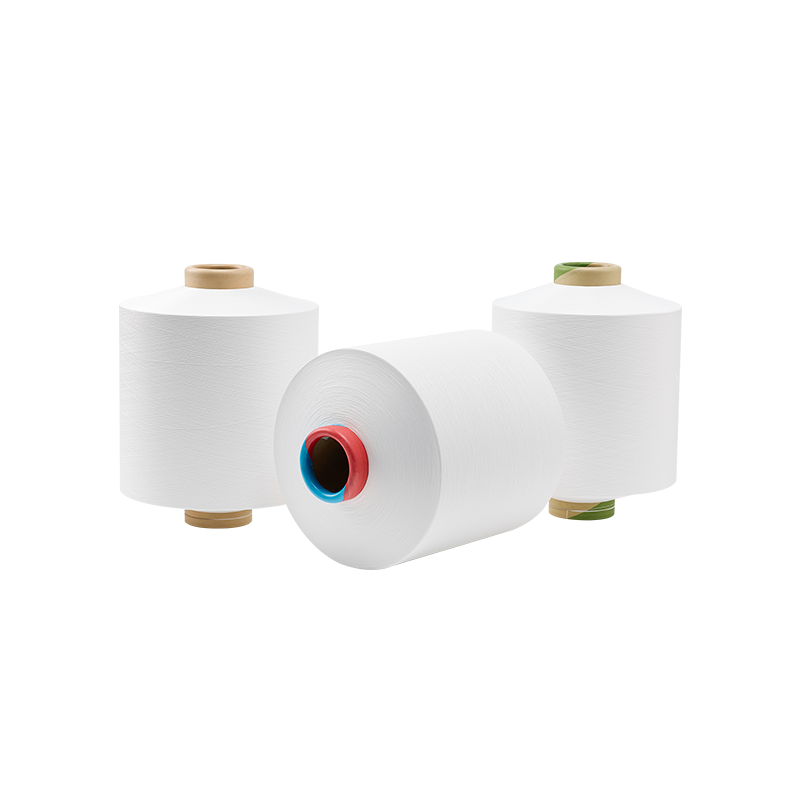
नायलॉन 6 एयर कवर्ड यार्न (ACY) एक मिश्रित यार्न है जिसमें एक स्पैन्डेक्स कोर को उच्च दबाव वाले संपीड़ित वायु जेट का उपयोग करके नायलॉन फिलामेंट्स द्वारा कवर किया जाता है। कोर के चारों ओर बाहरी धागे को मोड़ने वाली यांत्रिक आवरण विधियों के विपरीत, एयर-जेट प्रक्रिया लंबाई के साथ लयबद्ध इंटरलेसिंग बिंदु बनाती है - चिपकने या घुमाने वाली ताकतों के बिना दो घटकों को जोड़ती है। परिणाम एक धागा है जो एक इकाई के रूप में व्यवहार करता है: नायलॉन संरचनात्मक अखंडता और घर्षण प्रतिरोध प्रदान करता है, जबकि स्पैन्डेक्स खिंचाव और पुनर्प्राप्ति प्रदान करता है।
नायलॉन घटक आम तौर पर होता है नायलॉन 6 एफडीवाई - स्थिर अभिविन्यास और कम बढ़ाव के साथ पूरी तरह से तैयार किया गया सूत जो एयर-कवरिंग मशीन के माध्यम से सफाई से फ़ीड करता है। जेट नोजल में प्रवेश करने से पहले स्पैन्डेक्स कोर को पूर्व-ड्राफ्ट किया जाता है (आमतौर पर 3.0–3.5×), जो यह निर्धारित करता है कि तैयार ACY में कितनी अंतर्निहित लोच होगी।
ACY बनाम SCY: आपको वास्तव में किसकी आवश्यकता है?
एयर कवर्ड यार्न और सिंगल कवर्ड यार्न (एससीवाई) अक्सर भ्रमित होते हैं क्योंकि दोनों नायलॉन को स्पैन्डेक्स के साथ जोड़ते हैं। अंतर उत्पादन और अंतिम कपड़े में मायने रखता है। SCY बाहरी फिलामेंट को यांत्रिक मोड़ के साथ कोर के चारों ओर लपेटता है - यह थोड़ा सख्त हाथ और एक चिकनी सतह बनाता है जो स्ट्रेच डेनिम या रिबन टेप जैसे संरचित बुने हुए कपड़ों के लिए अच्छा काम करता है। इसके विपरीत, ACY, किसी मोड़ का उपयोग नहीं करता है। इंटरलेस्ड संरचना इसे एक नरम, राउंडर क्रॉस-सेक्शन और बेहतर अनुरूपता प्रदान करती है - यही कारण है कि निर्बाध बुनाई अनुप्रयोग और बढ़िया होजरी लगभग विशेष रूप से ACY का उपयोग करते हैं।
एक व्यावहारिक नियम: यदि आपके अंतिम उत्पाद को दृश्यमान संरचना और दिशात्मक आवरण की आवश्यकता है, तो SCY पर विचार करें। यदि इसे त्वचा के खिलाफ गायब होना है और आंदोलन के बाद चुपचाप अपना आकार बहाल करना है, तो ACY सही विकल्प है।
ऑर्डर देने से पहले जानने योग्य मुख्य विशिष्टताएँ
ACY को तीन संख्याओं द्वारा निर्दिष्ट किया जाता है: नायलॉन डेनियर स्पैन्डेक्स डेनियर फिलामेंट गिनती। इन्हें लॉक किए बिना सोर्सिंग करने से बैच में विसंगतियां पैदा होती हैं और बुनाई पर दोबारा काम करना पड़ता है। फैंगयुआन का नायलॉन 6 ACY 20 20D से 70 140D की सुंदरता सीमा को कवर करता है, जिसमें फिलामेंट की गिनती 5F से 96F तक होती है। , पूर्णतः नीरस, अर्ध-सुस्त और चमकदार चमक विकल्पों में उपलब्ध है।
| विशिष्टता | फिलामेंट गणना | विशिष्ट अनुप्रयोग |
|---|---|---|
| 20डी 20डी | 5F–12F | सरासर होज़री, बढ़िया फीता |
| 40डी 40डी | 24एफ-36एफ | निर्बाध अंडरवियर, हल्के सक्रिय वस्त्र |
| 40डी 70डी | 36एफ-48एफ | संपीड़न मोज़े, खेल मोज़े |
| 70डी 140डी | 48एफ-96एफ | भारी-भरकम खिंचाव वाले कपड़े, रिबन |
चमक का चयन डाउनस्ट्रीम डाइएबिलिटी और दृश्य आउटपुट को प्रभावित करता है। फुल डल अधोवस्त्र और अंतरंग पहनने के लिए चमक को कम कर देता है जहां मैट फ़िनिश मानक है। चमकदार चमक स्पोर्ट्स रिबन और सजावटी बुनाई के लिए काम करती है जहां सतह परावर्तन एक विशेषता है, कोई समस्या नहीं।
जहां नायलॉन 6 ACY का उपयोग किया जाता है
नायलॉन 6 ACY का नरम हाथ अनुभव, उच्च लोच और लचीलापन इसे कई उत्पाद श्रेणियों में डिफ़ॉल्ट विकल्प बनाता है:
- निर्बाध अंडरवियर और बॉडीवियर - ACY की संरचना पूरे परिधान में रिकवरी बनाए रखते हुए सीम बल्क को खत्म करती है, जो सर्कुलर मशीनों पर बुने हुए ब्रैलेट और लेगिंग के लिए महत्वपूर्ण है।
- खेल और संपीड़न मोज़े - 40 70डी और 70 140डी श्रेणियां अत्यधिक कठोरता के बिना प्रदर्शन और मेडिकल-ग्रेड होजरी के लिए आवश्यक स्नातक संपीड़न प्रोफ़ाइल प्रदान करती हैं।
- एक्टिववियर और स्विमवियर - उच्च लोच और क्लोरीन क्षरण के प्रति प्रतिरोध (PA6 पूल वातावरण में पॉलिएस्टर ACY से बेहतर प्रदर्शन करता है) बार-बार लॉन्ड्रिंग और UV एक्सपोज़र का समर्थन करता है।
- फीता और रिबन फैलाएँ - महीन डेनियर्स (20 20D, 20 40D) का उपयोग रास्केल लेस मशीनों में ग्राउंड यार्न के रूप में किया जाता है, जहां चिकनी इंटरमिलिंग पॉइंट सुई बिस्तर पर रुकावट को रोकते हैं।
नायलॉन 6 ACY आपूर्तिकर्ता का मूल्यांकन कैसे करें
ACY आपूर्तिकर्ता को योग्य बनाते समय प्रति किलोग्राम कीमत शायद ही सबसे महत्वपूर्ण चर होती है। बैच-टू-बैच डेनियर स्थिरता और इंटरमीलिंग पॉइंट एकरूपता - प्रति मीटर कील बिंदुओं की संख्या के रूप में मापा जाता है - सीधे बुनाई मशीन की दक्षता और कपड़े की हाथ की स्थिरता को प्रभावित करता है। स्पैन्डेक्स कोर के ड्राफ्ट अनुपात में भिन्नता, यहां तक कि समान नाममात्र विनिर्देश के भीतर भी, तैयार कपड़े में असमान खिंचाव क्षेत्रों के रूप में दिखाई देगी।
यहां लंबवत एकीकरण मायने रखता है। जो आपूर्तिकर्ता इंटरमीडिएट यार्न खरीदने और उसे कवर करने के बजाय एयर-कवरिंग के माध्यम से पोलीमराइजेशन को नियंत्रित करते हैं - उनके पास स्थिरता बनाए रखने के लिए अधिक लीवर होते हैं। मध्यवर्ती चरण के रूप में नायलॉन 6 डीटीवाई का उत्पादन घर में ही किया गया ACY के लिए निर्माता को तीसरे पक्ष के यार्न आपूर्तिकर्ता से भिन्नता प्राप्त करने के बजाय, कवरिंग शुरू होने से पहले फिलामेंट गुणों पर सीधा नियंत्रण देता है।
थोक खरीद के लिए, मात्रा निर्धारित करने से पहले कम से कम तीन उत्पादन बैचों में परीक्षण शंकु का अनुरोध करें। उन्हें अपनी खुद की बुनाई या बुनाई मशीनों के माध्यम से चलाएं और अपने उत्पाद विनिर्देश शीट के विरुद्ध ब्रेक और इलास्टिक रिकवरी पर बढ़ाव की जांच करें। अपनी प्रक्रिया में विश्वास रखने वाला आपूर्तिकर्ता बिना किसी रुकावट के इसका समर्थन करेगा।
अंतिम विचार
नायलॉन 6 एयर कवर्ड यार्न व्यापक रूप से उपलब्ध होने के बावजूद यह एक वस्तु उत्पाद नहीं है। एक एकीकृत निर्माता से एक अच्छी तरह से निर्दिष्ट ACY और पूरी तरह से कीमत पर प्राप्त सामान्य कवर यार्न के बीच का अंतर बुनाई की दक्षता, कपड़े के हाथ और कितने समय तक परिधान अपना आकार बनाए रखता है, में दिखाई देता है। विनिर्देशन ठीक से प्राप्त करें, आपूर्तिकर्ता की उत्पादन श्रृंखला का ऑडिट करें, और स्केलिंग से पहले परीक्षण करें - यह हर चीज का संक्षिप्त संस्करण है जो मायने रखता है।